
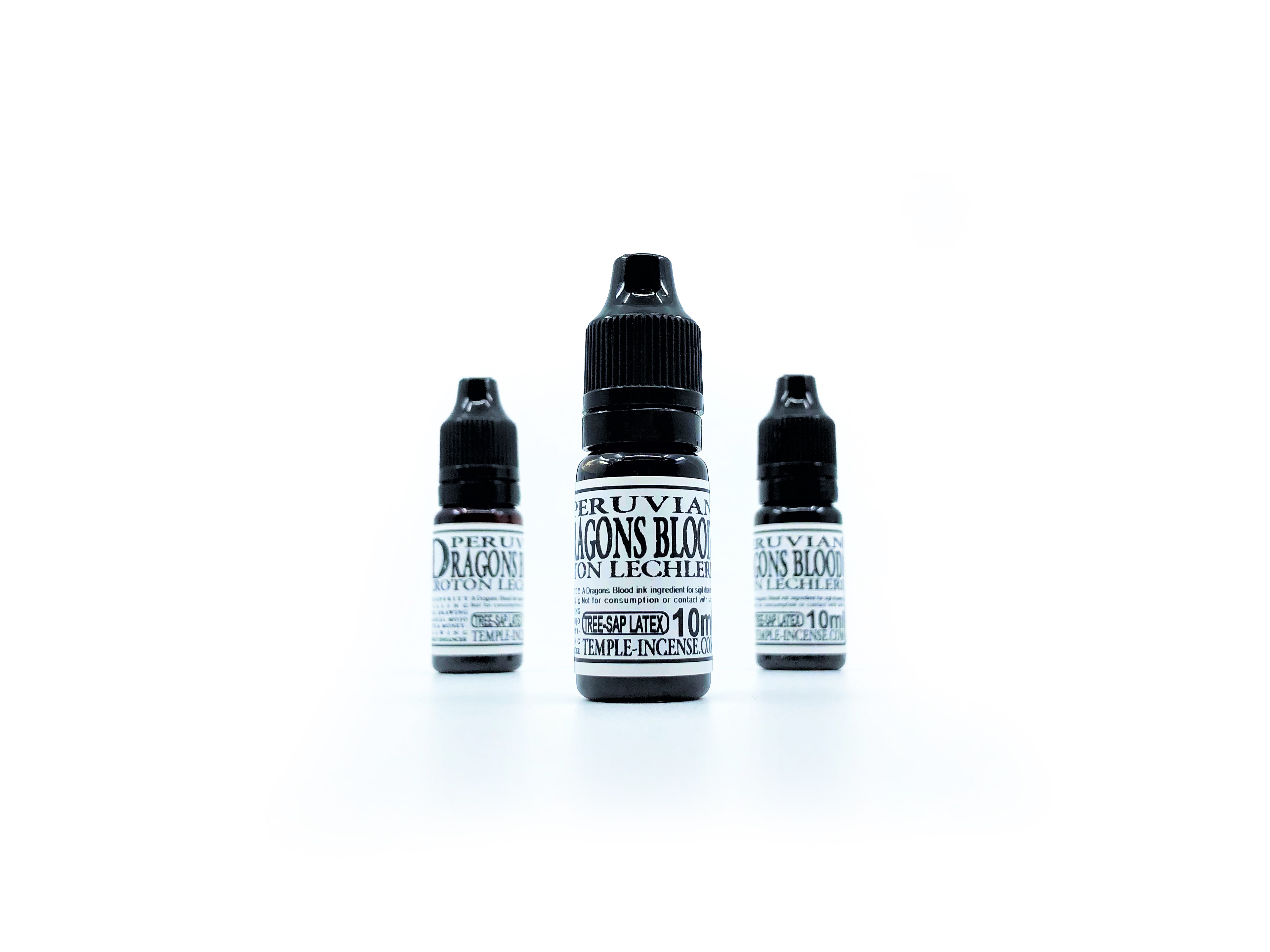
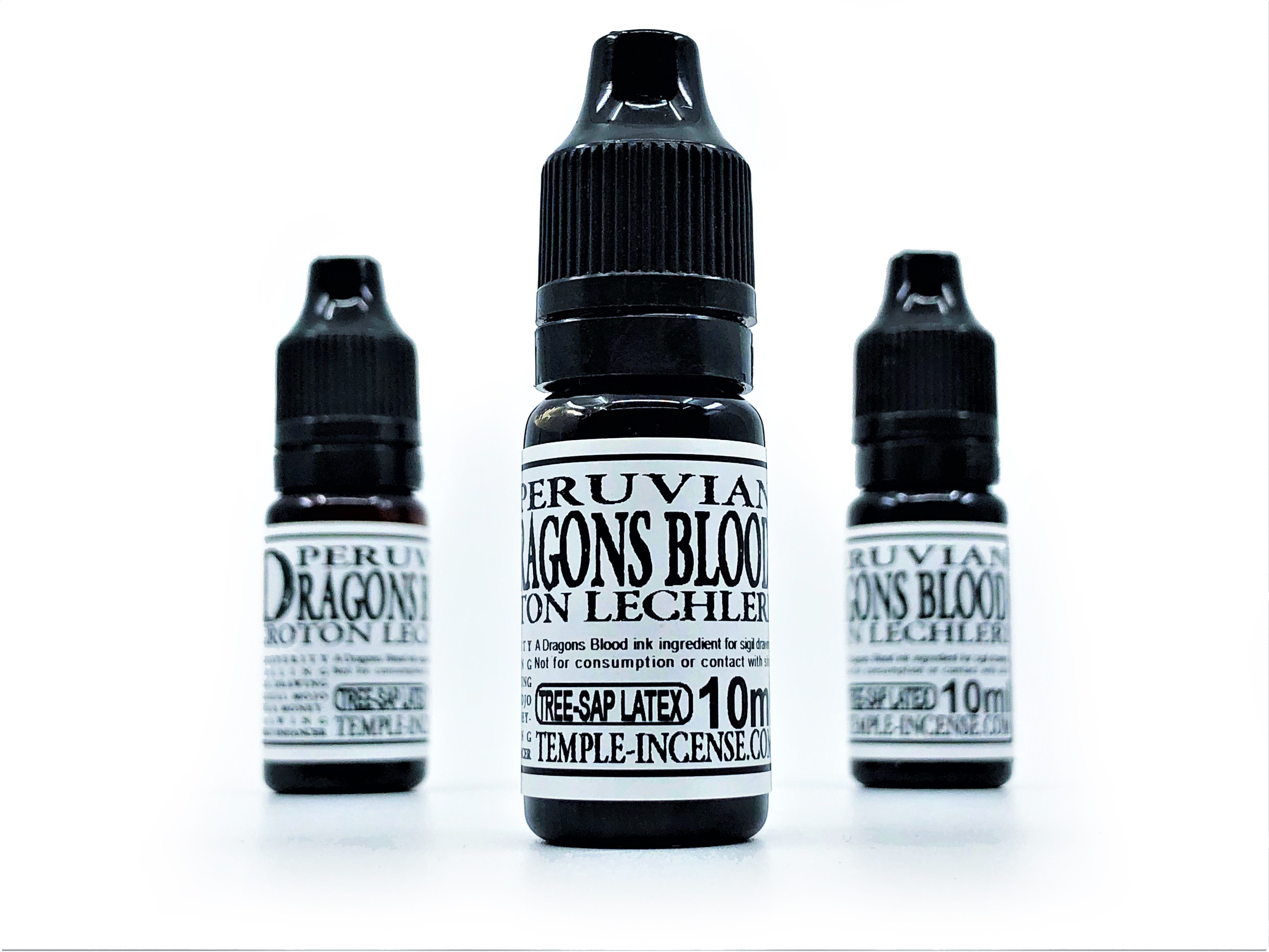
Dragons Blood (Croton lechleri)
€6.80
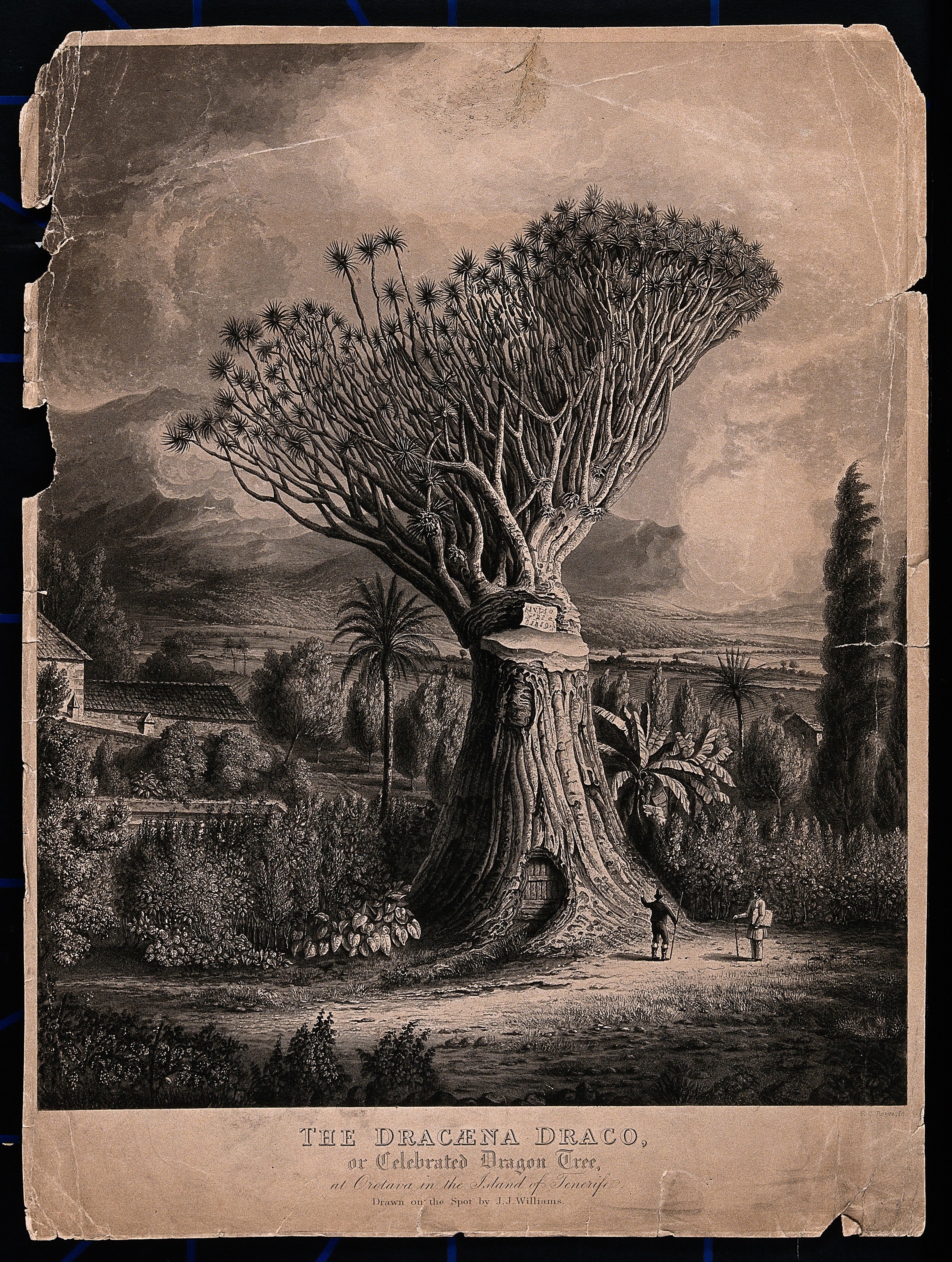
Dragons Blood is the sap of the South American tree Sangre de Drago (Croton lechleri) . The sap has traditionally been and is still used as a kind of liquid patch since it dries quickly and forms a thin antibacterial film on the wound and accelerates healing.
Dragon Blood is used as a mojo for money and love magic in African-American folk magic, and to manufacture dragons blood ink to write magic formulas , seals, sigills and talismans. Also an important tool in Kambo ceremonies .
- Secure payment by card
- E-mail us, we reply swiftly!
- Ships in 1-3 business days
- Fast and secure global shipping
Some aromatic plants and products may have a historical use of folkloric nature, but we offer this product as incense and/or botanical curiosa; neither food grade, for consumption nor medical use, unless other is stated. This means that you should contact your doctor even though, for example, frankincense have been used during the Middle Ages as a remedy for bubonic plague. Avoid contact with skin and eyes. Keep away from children and animals. The snuffs containing tobacco should be used moderately and not daily since tobacco is addictive. The long-term use of tobacco snuff is unknown and should therefore be used with this in mind.
Description
Article no.: 0295
Bottle, 10 ml, Peruvian Amazonas
Dragons Blood is the sap of the South American tree Sangre de Drago (Croton lechleri) . The sap has traditionally been and is still used as a kind of liquid patch since it dries quickly and forms a thin antibacterial film on the wound and accelerates healing.
Dragon Blood is used as a mojo for money and love magic in African-American folk magic, and to manufacture dragons blood ink to write magic formulas , seals, sigills and talismans. Also an important tool in Kambo ceremonies .
Packed in 10 ml plastic bottle with precision dropper.
The content of the bottle may be just under 10ml.
Dragons Blood is also used in incense blends, aromatherapy and elixirs for its fabled magical properties. The following plants area good combination with of Dragons Blood in fragrance mixtures :
Palo Santo (Bursera graveolens), Patchouli (Pogostemon cablin), Lavender (Lavendula officinales), Rosemary (Rosmarinus officinalis) and Tea Tree (Melaleuca alternifolia).
The first documented use of the Dragons Blood is the Spanish naturalist and explorer P. Bernabe Cobo as he in the 1600s writes about how the sap from the tree is used for its healing properties by indigenous tribes around the Amazon River in Mexico, Peru and Ecuador.
Its widespread and traditional use has made it a substance of interest for modern scientific research. Taspin is the antiseptic alkaloid which also accelerates wound healing and it contains an antioxidant polyphenol which since 2013 has been used for the treatment of HIV-related diarrhea.
The sap in the bottle has been collected from Dragon's Blood trees (Croton lechleri) along the Maranon River in the Peruvian Amazon forest in September 2018. The sap is extracted by cutting the trees which eventually dies, but this product has been harvested sustainable (Forest Management Plan ) where new trees are planted at harvest. This product is therefore also sold in small and limited quantities.
The sap from the dragon tree contains a higher measurable content of:
alpha-calacorene, alpha-copaene, alpha-pinene, alpha-thujene, beta-caryophyllene, beta-elemene, beta-pinene, betaine, bincatriol, borneol, calamenene, camphene, catechins, cedrucine, crolechinic acid, cuparophenol, D-limonene, daucosterol, dihydrobenzofuran, dimethylcedrusine, dipentene, eugenol, euparophenol, gallocatechin, gamma-terpinene, gamma-terpineol, hardwickiic acid, isoboldine, korberin A & B, lignin, linalool, magnoflorine, methylthymol, myrcene, norisoboldine, p-cymene, proanthocyanidins, procyanidins, resin, tannin, taspine, terpinen-4-ol, and vanillin.
Legal disclaimer
Some aromatic plants and products may have a historical use of folkloric nature, but we offer this product as incense and/or botanical curiosa. Neither food grade, for consumption nor medical use. Avoid contact with skin and eyes. Keep away from children and animals.
Dragons Blood is the sap of the South American tree Sangre de Drago (Croton lechleri) . The sap has traditionally been and is still used as a kind of liquid patch since it dries quickly and forms a thin antibacterial film on the wound and accelerates healing.
Dragon Blood is used as a mojo for money and love magic in African-American folk magic, and to manufacture dragons blood ink to write magic formulas , seals, sigills and talismans. Also an important tool in Kambo ceremonies .
Packed in 10 ml plastic bottle with precision dropper.
The content of the bottle may be just under 10ml.
Dragons Blood is also used in incense blends, aromatherapy and elixirs for its fabled magical properties. The following plants area good combination with of Dragons Blood in fragrance mixtures :
Palo Santo (Bursera graveolens), Patchouli (Pogostemon cablin), Lavender (Lavendula officinales), Rosemary (Rosmarinus officinalis) and Tea Tree (Melaleuca alternifolia).
The first documented use of the Dragons Blood is the Spanish naturalist and explorer P. Bernabe Cobo as he in the 1600s writes about how the sap from the tree is used for its healing properties by indigenous tribes around the Amazon River in Mexico, Peru and Ecuador.
Its widespread and traditional use has made it a substance of interest for modern scientific research. Taspin is the antiseptic alkaloid which also accelerates wound healing and it contains an antioxidant polyphenol which since 2013 has been used for the treatment of HIV-related diarrhea.
The sap in the bottle has been collected from Dragon's Blood trees (Croton lechleri) along the Maranon River in the Peruvian Amazon forest in September 2018. The sap is extracted by cutting the trees which eventually dies, but this product has been harvested sustainable (Forest Management Plan ) where new trees are planted at harvest. This product is therefore also sold in small and limited quantities.
The sap from the dragon tree contains a higher measurable content of:
alpha-calacorene, alpha-copaene, alpha-pinene, alpha-thujene, beta-caryophyllene, beta-elemene, beta-pinene, betaine, bincatriol, borneol, calamenene, camphene, catechins, cedrucine, crolechinic acid, cuparophenol, D-limonene, daucosterol, dihydrobenzofuran, dimethylcedrusine, dipentene, eugenol, euparophenol, gallocatechin, gamma-terpinene, gamma-terpineol, hardwickiic acid, isoboldine, korberin A & B, lignin, linalool, magnoflorine, methylthymol, myrcene, norisoboldine, p-cymene, proanthocyanidins, procyanidins, resin, tannin, taspine, terpinen-4-ol, and vanillin.
Legal disclaimer
Some aromatic plants and products may have a historical use of folkloric nature, but we offer this product as incense and/or botanical curiosa. Neither food grade, for consumption nor medical use. Avoid contact with skin and eyes. Keep away from children and animals.